Living in Canada, everyone knows how important the oil industry is not only for Western Canada but for the entire country. As the jobs in the oil industry are high paying, people travel from all parts of Canada to work in the oil patch in western Canada. Canada has conventional oil, which is the involves the drilling rigs. It is said that one rig operating is 135 jobs. These jobs involve working long hours, which is a completely different life from a person who works 8 hours a day and goes home everyday.
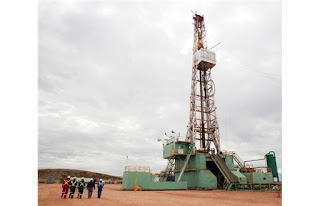 |
| Fig 1 |
Currently with the price of the barrel of crude oil, there has been a lot of layoffs in the oilfield. As the oil field workers maker a lot of money, and at times are paid expenses such as hotels and meals by their employers when they are working. The typical shift is usually 2 weeks on and 6 days off. When the oilfield service workers are traveling to various rigs they often stay in hotels and eat in restaurants regardless if it is a city, a town, or small rural area.
 |
| Fig 2. |
As you can see from the above chart the drilling rig utilization is way down year over year. The average utilization of 25% has drastic effects on the economies of western Canada. With the massive amount of layoffs comes less traffic on the roads going to and from rigs. This also means other sectors are being effected including hotels and restaurants.
The other type of oil exploration in Canada is the oil sands. This involves no rigs but huge machines digging. The extraction of oil comes through separation the oil from the ground that is dug up. This is done though things such as processing plants.
Events of Last 15 years
Their has been major things that happened in the last 15 years. We had the dot com bubble, the global financial crisis in 2007-2009 and now the low oil prices. These have caused major problems in the financial industry. The financial crisis is the worst recession since the great depression. Currently, we are in living with the low price for a barrel of crude oil. The fall of crude oil prices started in September 2014. We are currently testing the $40.00 a barrel threshold for WTI prices. We have no idea how long this low price environment is going to last. Some analysts predict the price will go down lower while others predict it will be 2020 before we see $80.00 a barrel oil.
What Can A Person Due To Help Themselves?
When a person works at a job they do not have many tax advantages that they can take advantage of. A person needs to save a percentage of their after-tax income by paying themselves first. This pay yourself first concept was popularized in the book called The Richest Man in Babylon. The goal is to grow this money by putting it to work. As the amount grows, a person can buy income producing assets such as stocks that pay dividends, rental properties, bonds etc. The income from these assets are "children" of your investments. Then you put these "children" to work along with new money from paying yourself first to grow your passive income. This will allow your assets and their income to compound exponentially. As first the going is slow, but over time the compounding becomes more noticeable.
By creating passive income, a person helps to reduce stress in their life as they have more income from just one source, which is usually from a job. A job is no longer secure. If a person is building their war chest and receives a layoff or gets fired from a job, then they have income to fall back on . The ultimate goal is to have more money coming in from investments than going out to pay expenses. Once the passive income coming in is greater than expenses, then the person is financially free.
Imagine, being able to go on vacation whenever you want. While you are on vacation, you do not have to worry about money as your investments are providing you with NEW money. Going on vacation like this is only possible with receiving money from other sources rather than from a job.
 |
| Fig. 3 |
Photo Credits: Fig.1 - www.precisiondrilling.com
Fig.2 - www.caodc.com
Fig.3 - www.weknowyourdreams.com
DISCLAIMER
I
am not a financial planner, financial advisor, accountant or tax
attorney. The information on this blog represents my own thoughts and
opinions and should NOT be taken as investment or business advice.
Every
individual should do their due diligence to make their own financial
decisions based on their financial situation and tolerance for risk.


